Apoptosis, necrosis, necroptosis
Question
I was asked about different forms of cell death
Putting into perspective
Some words are used to describe death of tissues, and some words are used to describe death of cells.
When speaking about cell death, we use the terms (And a few others not mentioned): 1. Necrosis 2. Apoptosis 3. Autophagy (Autophagocytosis)
All of which describe different mechanisms of cell death.
In contrast, when speaking about tissues, we use a few terms including: 1. Atrophy 2. Hypertrophy 3. Hypotrophy 4. Hyperplasia 5. Hypoplasia
'-trophy' refers to specifically the size of the cell (And thus organ) '-plasia' refers to the NUMBER of cells (And also thus the organ)
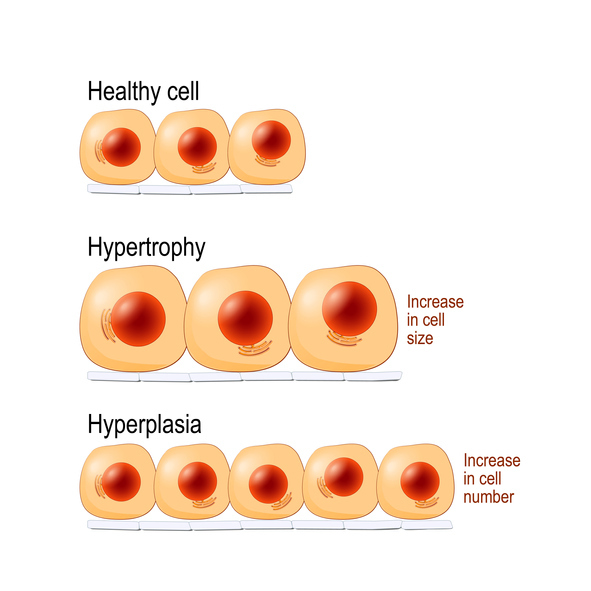
Cell death in more detail
Cells normally die in a cyclical manner - there's the saying that every cell in the human body replaces itself within 10 years (though not sure how true this is...).
Cell death can be programmed or non-programmed. Programmed cell death is physiological, in that it is a normal process of cell function - the fact that it is programmed means it is desired (i.e. it is homeostatic). Non-programmed cell death occurs as a result of insult or injury to the cell and is not desired - it is also less controlled and can impact cells nearby.
The main mechanisms of programmed cell death are:
- Apoptosis (a.k.a Type 1 cell death)
-
Autophagy (a.ka. Type 2 cell death)
-
Others include Activation-induced cell death, oncosis, mitotic catastrophe, immunogenic cell death, pyroptosis, necroptosis (NOT necrosis)
The mechanism of non-programmed cell death is:
- Necrosis
Apoptosis
- Occurs in eukaryotes as a homeostatic process
- Cells normally are thought to be kept alive by 'survival factors' (i.e. chemicals in its environment which provide a reason for the cell to be kept alive) - what the exact factors are, we don't need to know.
- From a histological level, we see blebbing (bits of the cell membrane bubbling off), cell shrinkage (loss of cytoplasm and membrane), nuclear fragmentation and DNA(the DNA within the nucleus falls apart), chromatin condensation - essentially, the cell commits suicide.
- these small fragments are called 'apoptotic bodies' - these float around and are taken up by phagocytes
- Examples of apoptosis
- Separation of fingers and toes in the embryo
- More detail into apoptosis
- Cells experience stress (intrinsic) or get signals from other cells (extrinsic) to kil themselves -> caspases (a specific protease - an enzyme which breaks down proteins) are activated -> activates more caspases -> destroys proteins within the cell -> destroys the cellular structure -> the cell dies
- Things that activate the intrinsic pathway: stress hormones (cortisol), head, radiation, viruses, high intracellular Ca2+
- The mitochondria as it releases cytochrome c, which activates caspase cascade.
Autophagy
- 'Auto' - self, '-phagy' - eat; Autophagy is the process of the cell eating itself
- Pathophysiology
- The cell forms large vacuoles (pockets within the cytoplasm) which eat the organelles up before it eats the nucleus
- Macroautophagy - autophagosome/lysosomal degradation of cytoplasmic contents, protein aggregates, damaged organelles
- What activates autophagy
- Nutrient deprivation
- Stress, infection, cancer, neurodegeneration, etc.
Necrosis
- Pathophysiology
- Trauma, infection -> cell damage -> cell membrane erupts (i.e. the cell literally explodes) -> nearby cells are infalmmed
If you're interested in understanding these cell mechanisms more, I would recommend starting with the wikipedia article here - if you want to learn more, ask me questions during the ask weber sessions.